
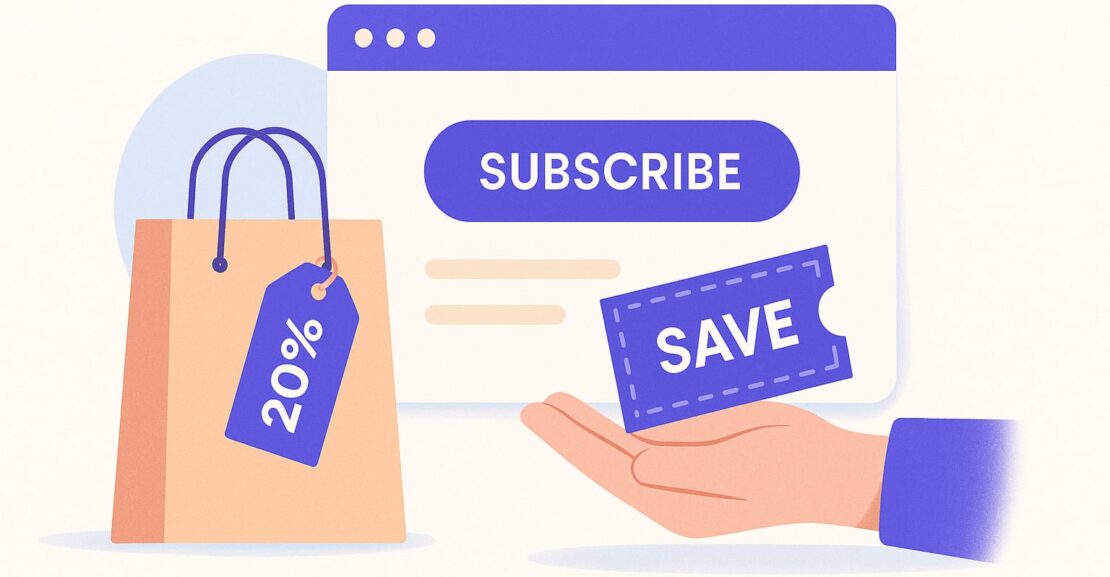
Offer a limited-time discount for new subscribers to attract fresh customers and enhance your business growth. This strategy not only incentivizes potential clients to join but also fosters loyalty and engagement. By presenting an exclusive offer, you create an urgency that encourages quick decision-making, leading to an increase in your subscriber base. Such promotions can effectively lead to higher revenue and a stronger market presence. In a competitive landscape, every advantage counts, and a limited-time discount can set you apart from the competition. Key takeaways
- Increases your subscriber base quickly.
- Creates a sense of urgency that motivates potential customers.
- Enhances customer loyalty and engagement.
Understanding the Benefits of Limited-Time Discounts
Offering a limited-time discount for new subscribers has emerged as a compelling strategy for businesses aiming to boost their customer base and ignite engagement. This approach not only appeals to potential subscribers but also influences their decision-making process. By creating a sense of urgency, businesses can effectively drive immediate action and foster long-term relationships with customers.
Increases Subscriber Growth and Engagement
Limited-time discounts serve as a powerful incentive for potential subscribers who may be on the fence about committing to a service or product. By presenting a time-sensitive offer, businesses can attract a larger pool of subscribers quickly. Industry surveys suggest that promotions with defined time limits significantly increase conversion rates compared to standard offers. For instance, a company might implement a 20% discount for new subscribers available for just one week. This urgency encourages hesitant customers to act promptly, thereby expanding the subscriber base.
Creates Urgency and Drives Immediate Action
The psychological principle of scarcity plays a crucial role in the effectiveness of limited-time discounts. When potential subscribers perceive that an offer is available for a limited duration, they are more likely to take immediate action to avoid missing out. This sense of urgency can lead to a notable spike in sign-ups during the promotional period. Businesses can enhance this urgency through various tactics, such as:
- Countdown timers on promotional pages to visually signify the limited availability.
- Email reminders sent to potential subscribers, highlighting the impending expiration of the discount.
- Social media posts that create buzz around the promotion, encouraging shares and interactions.
These strategies not only drive immediate action but also foster a culture of prompt decision-making among consumers.
Enhances Customer Loyalty and Retention
Offering a limited-time discount for new subscribers does not merely attract new customers; it also sets the stage for building long-term loyalty. When customers feel they’ve received a special offer, they tend to develop a positive association with the brand. This initial engagement can lead to higher retention rates as satisfied customers are more likely to return for future purchases or subscriptions. Furthermore, businesses can turn one-time subscribers into loyal advocates by following up with additional exclusive offers, loyalty programs, or personalized communications that build on that initial connection.
in short, limited-time discounts for new subscribers are more than just a promotional tactic; they serve as an effective marketing strategy that fosters subscriber growth, creates urgency, and enhances customer loyalty. By leveraging these benefits, businesses can not only increase their subscriber base but also cultivate lasting relationships that contribute to long-term success.
How to Implement a Limited-Time Discount Strategy

Offering a limited-time discount for new subscribers can be an effective strategy to boost your audience and increase engagement. To execute this offer successfully, follow these structured steps to create and promote your discount effectively.
1. Define Discount Percentage and Terms
The first step in implementing your limited-time discount strategy is to determine the discount percentage and the associated terms. A well-planned discount can attract more subscribers while maintaining your brand’s value. Consider these factors:
- Discount Percentage: Industry surveys suggest that discounts between 10% to 30% are appealing enough to attract new subscribers without significantly impacting your profit margins.
- Terms of Use: Clearly outline any terms associated with the discount. For instance, will it apply to the first purchase only? Is there a minimum purchase amount required? Make sure these details are straightforward to avoid confusion.
2. Set a Clear Timeline for the Offer
Creating urgency is crucial for a successful limited-time discount. Setting a specific start and end date for your offer encourages potential subscribers to act quickly. Here are some tips to establish your timeline:
- Duration: Typically, a period of one to two weeks is ideal for generating excitement and urgency.
- Start Date: Choose a launch date that aligns with your marketing calendar. For example, consider launching your discount during a slow sales period or coinciding with a relevant event.
- End Date: Make it clear when the offer will expire. Consider using countdown timers on your website and in promotional materials to enhance urgency.
3. Promote Through Multiple Channels
Once you have defined your discount terms and timeline, it’s time to promote your offer. Utilizing various channels will maximize visibility and reach. Here are effective strategies:
- Email Marketing: Send out an announcement to your existing mailing list, highlighting the limited-time offer. Craft compelling subject lines that prompt immediate action, such as “Exclusive 20% Off for New Subscribers – This Week Only!”
- Social Media: Use platforms like Facebook, Instagram, and Twitter to disseminate your offer. Create visually engaging posts and stories that emphasize the discount and urgency, and consider using targeted ads to reach potential subscribers.
- Website Promotion: Feature the discount prominently on your homepage and landing pages. Use banners or pop-ups to capture the attention of visitors. Ensure that the process to subscribe and redeem the discount is seamless.
By following these structured steps, you can effectively implement a limited-time discount strategy that not only attracts new subscribers but also enhances your brand’s visibility and customer engagement.
Comparing Different Types of Discounts for New Subscribers
Percentage Off vs. Fixed Amount Discounts
When deciding to offer a limited-time discount for new subscribers, businesses often face the choice between percentage-based discounts and fixed amount discounts. Both strategies have their merits, and the effectiveness of each can vary based on the target audience and the price point of the products or services offered.
Percentage off discounts tend to appeal to customers when the original price is high, as they can perceive greater savings. For example, a 20% discount on a AED100 subscription translates to a AED20 saving, which can seem more attractive than a fixed AED15 discount. Conversely, fixed amount discounts can be more straightforward and easier to communicate, especially for lower-priced items where the percentage savings may seem negligible.
- Percentage Discounts: Best for higher-priced items, as they provide a perception of greater value.
- Fixed Amount Discounts: Simpler to understand and can be enticing for lower-priced subscriptions.
Free Trials vs. Discounted First Purchases
Another common tactic is offering free trials in contrast to discounted first purchases. Free trials allow potential subscribers to explore a service or product without any financial commitment. This strategy can be particularly effective for subscription-based services, where users may be hesitant to invest upfront without experiencing the product’s value first.
On the other hand, offering a discounted first purchase is a straightforward way to lower the barrier to entry for new subscribers. It can be especially effective in retail settings, where customers can appreciate the tangible savings on their initial purchase. When deciding between these two approaches, consider the nature of the product and the typical purchasing behavior of your target consumers.
- Free Trials: Ideal for products that require user engagement to demonstrate value.
- Discounted First Purchases: More appropriate for one-off purchases or products with immediate appeal.
Exclusive Content Access as a Promotional Tool
Another compelling method to encourage new subscriptions is by offering exclusive content access. This strategy can take many forms, such as premium articles, videos, or e-books that are only available to subscribers. By providing content that adds significant value, businesses not only incentivize new sign-ups but also foster a sense of belonging within an exclusive community.
For instance, a digital publication may offer a limited-time discount for new subscribers that includes access to a series of exclusive webinars or in-depth reports. This not only enhances the perceived value of the subscription but also encourages engagement with the content, increasing the likelihood of renewal.
Ultimately, the best discount strategy will depend on your audience’s preferences and the nature of the product or service. By carefully analyzing these different types of discounts, you can tailor your approach to maximize subscriptions effectively.
Real-World Examples of Successful Discount Campaigns

Case Study: A Popular E-Commerce Brand’s Successful Campaign
A leading e-commerce platform recently launched a limited-time discount campaign aimed at attracting new subscribers to its membership program. The company offered a 30% discount on the first three months for new sign-ups, generating significant buzz across social media and email marketing channels. By leveraging urgency through a countdown timer on their website and incorporating testimonials from existing members, they created a compelling reason for potential customers to act quickly. Key steps in their campaign included:
- Targeted Email Campaigns: They segmented their email list to reach potential subscribers with tailored messages that highlighted the temporary nature of the offer.
- Social Media Promotions: Engaging posts, stories, and ads were utilized to drive traffic to the landing page for the discount.
- Landing Page Optimization: The campaign’s success relied heavily on a well-designed landing page that succinctly presented the offer and included clear calls to action.
- Referral Incentives: Existing subscribers were encouraged to share the offer, providing them with discounts on their next purchase for each new sign-up they referred.
The results were impressive, with a substantial increase in new subscriptions during the promotional period. The campaign not only boosted immediate sales but also fostered long-term loyalty among new members, who continued utilizing the service even after the discount period ended.
How a Local Service Provider Increased Subscriptions
A local gym adopted a different approach by offering a limited-time discount for new memberships. They provided a 50% discount on the first month for new subscribers who signed up during the month of January, capitalizing on New Year’s resolutions. The gym also organized free trial classes that were heavily promoted via local ads and community events, encouraging immediate sign-ups.
This strategy resulted in a remarkable increase in foot traffic and sign-ups, as many individuals were motivated by the discounted rate and the opportunity to experience the gym’s facilities without a long-term commitment. Additionally, the gym implemented follow-up emails to remind new members of the value they could gain from continuing their membership after the discount period.
Lessons Learned from Failed Discount Strategies
While many businesses have successfully implemented limited-time discounts, some campaigns have faltered. Common pitfalls include:
- Lack of Clear Communication: Customers were often confused about the terms of the discount, leading to frustration and loss of interest.
- Insufficient Promotion: Failing to adequately market the discount limited its reach, resulting in lower-than-expected engagement.
- Overly Complex Signup Processes: Complicated registration forms deterred potential subscribers from taking action.
By analyzing these failures, businesses can refine their strategies, ensuring that when they decide to offer a limited-time discount for new subscribers, they maximize its effectiveness and reach their intended audience successfully.
Common Mistakes to Avoid When Offering Discounts

1. Failing to Clearly Communicate Terms and Conditions
One of the most common pitfalls when businesses choose to offer a limited-time discount for new subscribers is the lack of clear communication regarding the terms and conditions. Ambiguity can lead to confusion and frustration among potential subscribers. For instance, if your discount is contingent upon certain actions, such as a minimum purchase or signing up for a specific plan, these details must be explicitly stated. Failing to do so can result in a poor customer experience and may deter potential subscribers from completing their sign-up process. To avoid this mistake, ensure that your promotional materials include a straightforward outline of the discount’s terms. Use bullet points for clarity:
- Discount percentage and duration of the offer
- Any minimum purchase requirements
- Specific products or services the discount applies to
- Expiration date of the offer
2. Setting Unrealistic Expectations for Subscribers
When offering a limited-time discount for new subscribers, it’s crucial to set realistic expectations. This includes not only the discount itself but also the overall value of your product or service. If your discount is significant but your product doesn’t deliver commensurate value, first-time subscribers may feel disappointed and less likely to continue their relationship with your brand.
For example, if you offer a 50% discount on a subscription service, ensure that the service meets or exceeds the expectations that this discount implies. If customers perceive the service as subpar, they may cancel their subscriptions even before the discount period ends. To mitigate this, provide testimonials or case studies that highlight the actual benefits of your offering, reinforcing the value proposition beyond the discount.
3. Neglecting to Analyze Campaign Performance
Another common mistake is failing to track and analyze the performance of your discount campaign. Without proper analysis, you are left guessing whether the discount was effective in attracting new subscribers. This oversight can prevent you from making informed decisions in future campaigns. To avoid this pitfall, establish clear metrics for success before launching your limited-time discount. Consider the following steps:
- Define key performance indicators (KPIs) such as sign-up rates, conversion rates, and customer retention rates.
- Use analytics tools to monitor these metrics during and after the campaign.
- Gather feedback from new subscribers to understand their motivations for signing up.
- Evaluate the overall return on investment (ROI) of the discount offer.
By analyzing the results, you can refine future discount strategies, ensuring that they align more closely with your business goals and customer expectations.
Frequently Asked Questions
Q: How long should the discount last?
A: A duration of one to two weeks is typically effective to create urgency while giving potential subscribers enough time to act.
Q: What percentage discount is most appealing?
A: Discounts between 20% to 50% are generally attractive to new subscribers, depending on your product or service.
Q: How can I promote the discount?
A: Use social media, email newsletters, and your website to highlight the offer, ensuring it reaches your target audience.
Q: Should I limit the discount to specific products?
A: Yes, limiting the discount to select products or services can help drive interest to your most profitable offerings.
Q: Can I combine this with other promotions?
A: It’s best to avoid combining discounts, as this can dilute the perceived value of your limited-time offer.
Final thoughts
Implementing a limited-time discount for new subscribers can significantly enhance your customer acquisition efforts. Take action now by designing your promotional strategy and watch your business thrive.
Powered by AutoSEO — AI SEO content on autopilot.