
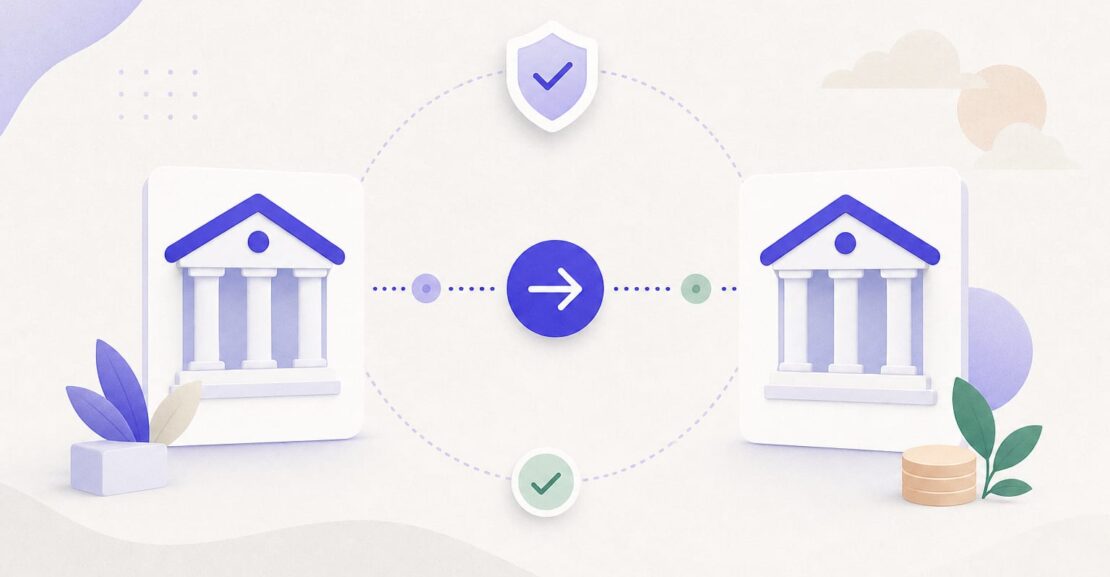
A2A payment refers to the seamless transfer of funds directly between bank accounts without the need for intermediaries. This method has gained popularity due to its convenience and efficiency, allowing users to send or receive money instantly. Whether you’re paying bills, splitting expenses, or transferring funds to friends or family, A2A payments offer a straightforward solution. With the rise of digital banking and fintech solutions, understanding A2A payments is essential for anyone looking to manage their finances effectively. Key takeaways
- A2A payments facilitate direct transfers between bank accounts.
- This method eliminates the need for cash or checks.
- Digital platforms and apps have simplified A2A transactions.
Understanding A2A Payment: Fundamentals and Mechanisms
Definition and Key Characteristics of A2A Payments
A2A payment, or account-to-account payment, refers to the direct transfer of funds between bank accounts without the involvement of traditional intermediaries such as credit card networks or payment processors. This method facilitates a seamless and efficient way for individuals and businesses to conduct transactions, typically through digital platforms. Key characteristics of A2A payments include:
- Direct Transfers: Funds are moved directly from one bank account to another, reducing the time and costs associated with intermediary services.
- Instantaneous Transactions: Many A2A systems enable real-time processing, allowing for immediate access to funds.
- Lower Fees: A2A payments often incur lower transaction fees compared to traditional card-based transactions, benefiting both consumers and merchants.
How A2A Differs from Traditional Payment Methods
A2A payments stand in contrast to traditional payment methods such as credit card transactions or third-party payment services. While card-based payments require multiple intermediaries to authorize and process transactions, A2A payments streamline the process significantly. For example, in a typical credit card transaction, the card issuer, payment processor, and merchant’s bank all play a role, each adding layers of fees and time delays. In contrast, an A2A payment transfers funds directly between bank accounts, thereby enhancing efficiency and reducing costs. Moreover, A2A payments are often more secure, as they minimize the exposure of sensitive information across multiple platforms. This secures user data against potential breaches that might occur during traditional payment processing.
Underlying Technologies: APIs, Open Banking, and Payment Rails
The advancement of A2A payments is largely attributed to several underlying technologies. APIs (Application Programming Interfaces) allow different financial systems to communicate seamlessly, enabling the integration of banking services into third-party applications. Open banking initiatives promote transparency and competition, allowing consumers to control their financial data and leverage various fintech solutions for A2A payments. Additionally, payment rails like the Automated Clearing House (ACH) and Real-Time Payments (RTP) networks provide the infrastructure necessary for secure and efficient transactions. These systems facilitate the rapid movement of funds, often in real-time, which is a crucial feature for users seeking instant payment solutions.
Security Measures and Compliance Standards in A2A Transactions
Security is paramount in any payment system, and A2A payments are no exception. To protect users, A2A payment systems implement a variety of security measures, including:
- Encryption: Data transmitted during A2A transactions is encrypted to safeguard against unauthorized access.
- Two-Factor Authentication (2FA): Users are often required to verify their identity through a second method, adding an extra layer of security.
- Regulatory Compliance: A2A payment providers adhere to stringent regulatory frameworks such as the Payment Card Industry Data Security Standard (PCI DSS) and local banking regulations to ensure safe transactions.
As A2A payments continue to grow in popularity, understanding their fundamental mechanics, technology, and security measures becomes essential for both consumers and businesses looking to optimize their payment strategies.
How to Use A2A Payments: Step-by-Step Guide for Consumers and Businesses

Setting Up Your Bank Account for A2A Transfers
To utilize A2A payments effectively, the first step is to ensure your bank account is properly set up and linked to your preferred payment platform. Most banking apps now support A2A payment features, allowing you to transfer funds seamlessly. Open your banking app and navigate to the settings or payments section. Select the option to link a new account or service. Follow the prompts to input your account details, including your account number and routing number. Verify your account through a small test transaction if required, which may take a few minutes to process. By completing these steps, you’ll enable A2A payment capabilities in your banking app, facilitating easy transfers to and from other accounts.
Initiating A2A Payments
Once your accounts are linked, initiating an A2A payment is straightforward. This can typically be done through your mobile banking app or an integrated platform. Here’s how to execute a payment: Log into your banking app. Select the “Send Money” or “A2A Payment” option. Choose the linked account from which you want to send money. Enter the recipient’s information, which may include their email address or phone number, depending on the platform. Input the amount you wish to transfer and add a note if desired. Review the transaction details and confirm the payment. For example, if you want to pay for a subscription service like a gaming platform, you might encounter an A2A payment like “a2a payment Microsoft” or “a2a payment PlayStation,” where the funds are directly debited from your account to the service provider.
Common Use Cases for A2A Payments
A2A payments are utilized in various scenarios, benefiting both consumers and businesses. Common use cases include paying bills directly from your bank account, such as “a2a payment debit apple com bill” for Apple services. Making purchases from online marketplaces or subscription services. Transferring money to friends or family quickly. Settling business expenses or invoices directly from your business account.
Troubleshooting A2A Payment Issues
While A2A payments are generally reliable, occasional issues may arise. Here are some troubleshooting tips for common problems: Delays: If your payment is delayed, check the processing times of your bank and ensure the recipient’s account is active. Errors: Double-check the recipient’s information for accuracy. Even a small typo can result in failed transactions. Failed Transactions: If a transaction fails, verify that you have sufficient funds and that your account is in good standing. By following these steps and guidelines, both consumers and businesses can efficiently manage A2A payments, ensuring a smooth and secure transaction experience.
Comparing A2A Payments with Other Payment Methods
Cost Efficiency and Fee Structures
A2A payments, or account-to-account payments, are often seen as a cost-effective solution compared to traditional payment methods such as credit cards, e-wallets, and wire transfers. With A2A payments, users typically incur lower transaction fees, since they bypass intermediaries that charge high processing fees. For instance, while credit card companies may impose fees of 1.5% to 3% on transactions, A2A payment systems may charge a minimal flat fee or none at all, depending on the provider. This makes A2A payments particularly attractive for businesses and consumers who conduct frequent transactions, such as those using platforms like A2A payment Microsoft for software purchases or A2A payment PlayStation for gaming services.
Speed and Settlement Times
In terms of transaction speed, A2A payments can offer near-instantaneous transfers, depending on the payment network and the banks involved. Unlike wire transfers, which can take several days to settle, A2A transactions can typically be completed in a matter of minutes. However, traditional payment methods like credit cards may also provide fast processing times, especially for online purchases. It’s essential to assess the specific transaction context to determine the best choice. For example, if an immediate payment is required for a service, using an A2A payment method may be preferable due to its rapid settlement capabilities.
Security and Fraud Risk Considerations
When it comes to security, A2A payments are generally considered to have robust measures in place. They often utilize bank-level encryption and multi-factor authentication, minimizing the risk of fraud. In contrast, credit cards can be susceptible to chargebacks and fraud, particularly with online transactions. E-wallets also face security challenges, as they often store sensitive payment information that can be targeted by cybercriminals. Therefore, while A2A payments provide strong security protocols, users must remain vigilant regardless of the payment method they choose.
User Experience and Accessibility Factors
User experience is a critical factor in payment method selection. A2A payments, such as A2A payment debit Apple or A2A payment Apple services, offer seamless integration with banking apps, making them easy to use. However, not all consumers may be familiar with the process, which could affect adoption rates. In contrast, credit cards and e-wallets are widely recognized, and many users are accustomed to their interfaces. The accessibility of A2A payments can vary, depending on the banking infrastructure in the user’s region. For instance, while urban users may find A2A payments straightforward, those in rural areas may experience difficulties accessing the required banking services. In short, while A2A payments offer numerous advantages such as cost efficiency, speed, and security, they may not universally outperform credit cards, e-wallets, or wire transfers. The best payment method ultimately depends on the specific needs and preferences of the user, as well as the context in which the payment is made.
Real-World Examples and Use Cases of A2A Payments

Peer-to-Peer Transfers and Person-to-Business Payments
A2A payments have transformed the landscape of peer-to-peer transfers, allowing individuals to send money directly from their bank accounts to others without intermediaries. For instance, platforms like Venmo and Zelle facilitate seamless transfers between users, making it easy to split bills, pay for services, or share expenses. In person-to-business payments, businesses like Airbnb leverage A2A payment systems to streamline transactions. Guests can pay for accommodations directly from their bank accounts, reducing transaction times and eliminating credit card fees. This integration not only enhances customer experience but also improves cash flow for hosts.
E-commerce and Bill Payments Integration
The e-commerce sector has significantly benefited from A2A payments. Online retailers are increasingly integrating A2A payment options to provide customers with more direct and secure payment methods. For example, Shopify has incorporated A2A payment solutions, allowing customers to complete purchases directly from their bank accounts. This not only expedites the checkout process but also reduces cart abandonment rates. Moreover, many utility companies are adopting A2A payments for bill settlements. Customers can authorize payments directly from their bank accounts, ensuring timely payments and enhancing customer satisfaction. The A2A payment debit feature simplifies the billing process, allowing for recurring payments without the need for manual intervention.
Cross-Border Remittances and International Money Transfers
A2A payments are pivotal in facilitating cross-border remittances, making international money transfers more efficient. Traditional methods often involve high fees and lengthy processing times. However, services like Wise (formerly TransferWise) utilize A2A payment systems to enable users to send money overseas directly from their bank accounts at lower costs. This has made sending money to family or friends abroad much more accessible and affordable. For instance, a user in the U.S. can send money to a relative in Mexico by initiating an A2A payment that processes in real-time, providing transparency and speed that traditional methods lack.
Emerging Markets and Fintech Innovations Leveraging A2A
In emerging markets, fintech innovations are harnessing A2A payments to drive financial inclusion. For example, platforms like M-Pesa in Kenya have empowered millions by allowing users to send and receive money directly via mobile devices. This A2A payment system has become integral to the local economy, facilitating everything from daily transactions to large business payments. Such innovations are not limited to M-Pesa; various local fintech companies are developing A2A payment solutions tailored to the needs of their communities. These advancements not only support economic activity but also foster trust in digital financial systems, paving the way for broader acceptance and use of digital banking.
Common Mistakes and Best Practices in A2A Payment Adoption

Identifying and Avoiding Incorrect Account Details
One of the most common pitfalls in A2A payment adoption is the submission of incorrect account details. This can lead to failed transactions, delays in processing, and potential loss of funds. Users often overlook the importance of double-checking account numbers, routing information, and any associated identifiers. For instance, if a user mistakenly inputs the wrong account number for an A2A payment, the transaction may be directed to an unintended recipient, complicating recovery efforts. To prevent such errors, take these steps: Utilize a checklist to confirm all account details before submission. Implement a verification system that prompts users to review their inputs prior to finalizing a transaction. Encourage the use of auto-fill features in payment applications, ensuring that verified account details are pre-populated.
Ensuring Compliance with Regulatory Requirements
A2A payment systems are subject to various regulatory requirements that can vary by region. Failing to comply with these regulations can result in fines, sanctions, or even shutdown of services. For example, money laundering laws and consumer protection statutes often dictate how A2A payments should be processed and monitored. Users must understand the regulatory landscape relevant to their A2A payment activities. To ensure compliance, consider the following best practices: Stay informed about local and international regulations affecting A2A payments. Consult with compliance experts or legal advisors when implementing A2A payment systems. Regularly update compliance protocols to align with changing laws and regulations.
Leveraging Automation and APIs for Seamless Workflows
Many organizations overlook the benefits of automation and application programming interfaces (APIs) when adopting A2A payments. Automation can significantly enhance the speed and efficiency of payment processing, while APIs enable integration with existing financial systems. This integration minimizes manual entry errors and streamlines transaction workflows. To leverage these technologies effectively, organizations should: Invest in robust A2A payment solutions that offer API capabilities for easy integration. Automate routine payment tasks, such as invoice processing and payment confirmations, to reduce human error. Continuously assess and optimize automated workflows for better performance.
Staying Informed on Evolving A2A Payment Trends and Updates
The landscape of A2A payments is rapidly evolving, with new technologies and practices emerging regularly. Failing to stay updated can lead to missed opportunities for improvement or, worse, security vulnerabilities. For instance, adopting new security measures or technologies like biometric authentication can enhance user trust and reduce fraud risks. To stay informed, organizations should: Subscribe to industry newsletters and publications that cover A2A payment trends. Participate in webinars and industry forums focused on payment innovations and best practices. Network with other payment providers and users to share insights and experiences.
Frequently Asked Questions
What is an A2A payment Apple?
An A2A payment through Apple refers to using Apple Pay to transfer money directly between linked bank accounts.
Is Zelle A2A or P2P?
Zelle primarily operates as a P2P (peer-to-peer) payment service, but it also enables A2A transfers for bank account holders.
What is an example of an A2A payment?
Transferring money from your checking account to a savings account within the same bank is an example of an A2A payment.
Is A2A the same as ACH?
A2A payments can be processed using ACH (Automated Clearing House) networks, but they are not identical; A2A is a broader term for direct bank transfers.
Final thoughts
Understanding A2A payments can significantly enhance how you manage your finances. Explore different digital banking solutions to find the one that best fits your needs and start taking advantage of this efficient payment method. A2A payment systems are transforming the way we handle transactions, making them faster and more secure. Further reading: a2a payment — stripe.com Powered by AutoSEO — AI SEO content on autopilot.
Powered by AutoSEO — AI SEO content on autopilot.